Having a reactive dog is hard.
I love Grizzly with all of my heart. He is my best and most favorite bear. He makes me smile and laugh every day, he gives the best doggy kisses, he is so endearing, he is incredibly soft with the best ears, and he is the best dog I’ve had.
Having a reactive dog is hard.
What I wrote above are all “human feelz” but none of them are who Grizzly actually is.
Grizzly is smart. He is driven. He is goofy. He is sweet. He is loving. He is protective. He is loyal. He is high energy. He is athletic. He is tough. He is rocksolid with noises and surfaces. He is adventerous. He is a thinker.
He is reactive.
Reactivity is part of who Grizzly is. And no amount of behavior modification will change the temperament he was born with. Yes it has changed overtime, but he will always be a reactive dog. There will always be some form of management needed. That doesn’t mean his reactivity won’t lessen/improve with diligent behavioral modification. But this means he will always be work. He will always need me to advocate for him. And that’s ok.
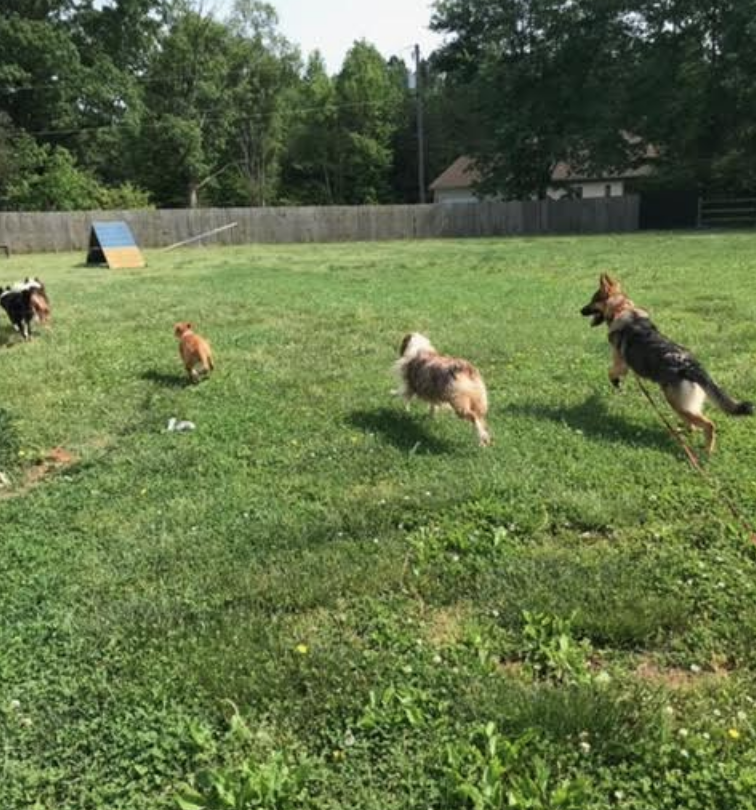
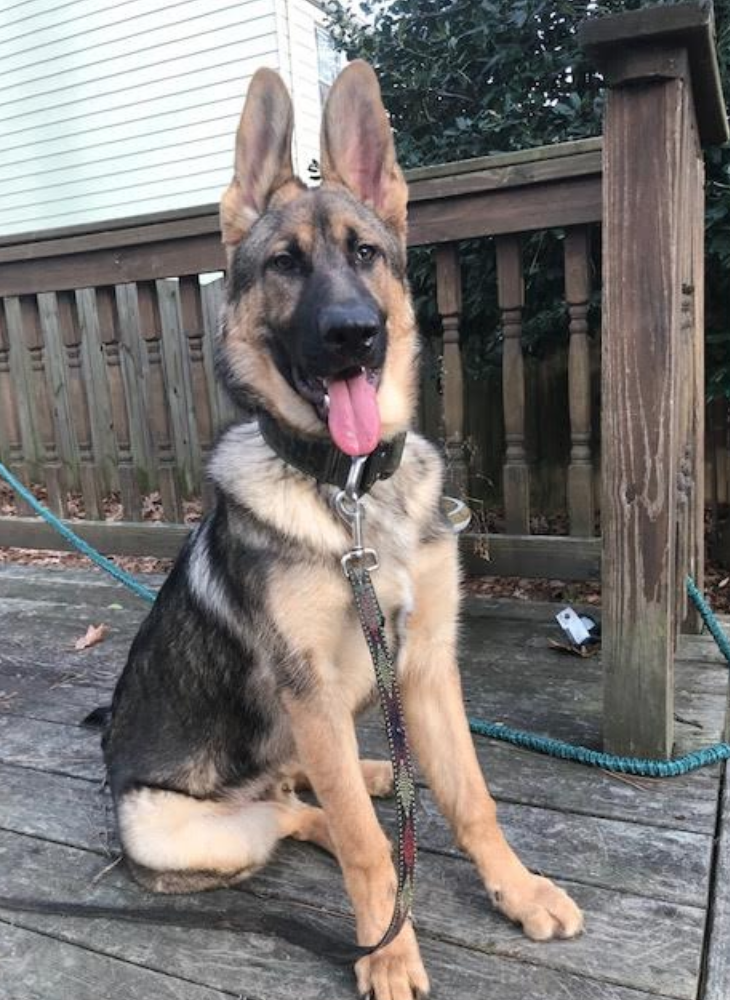
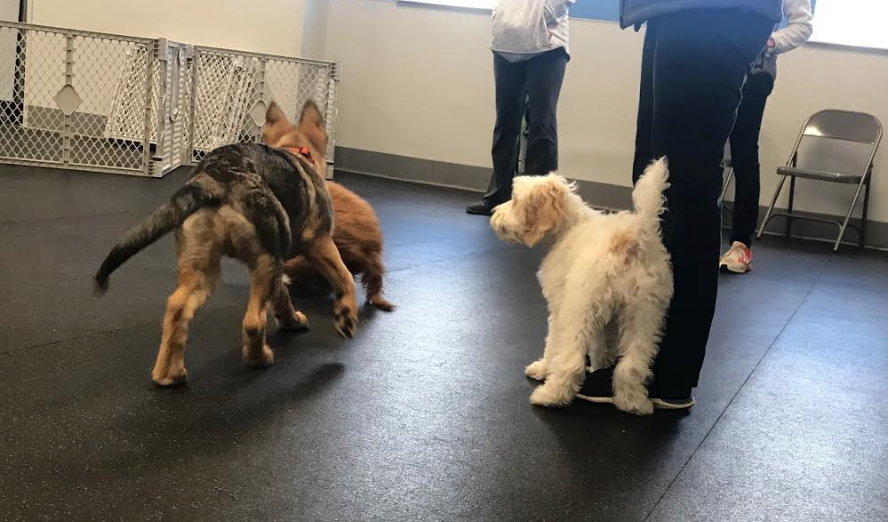
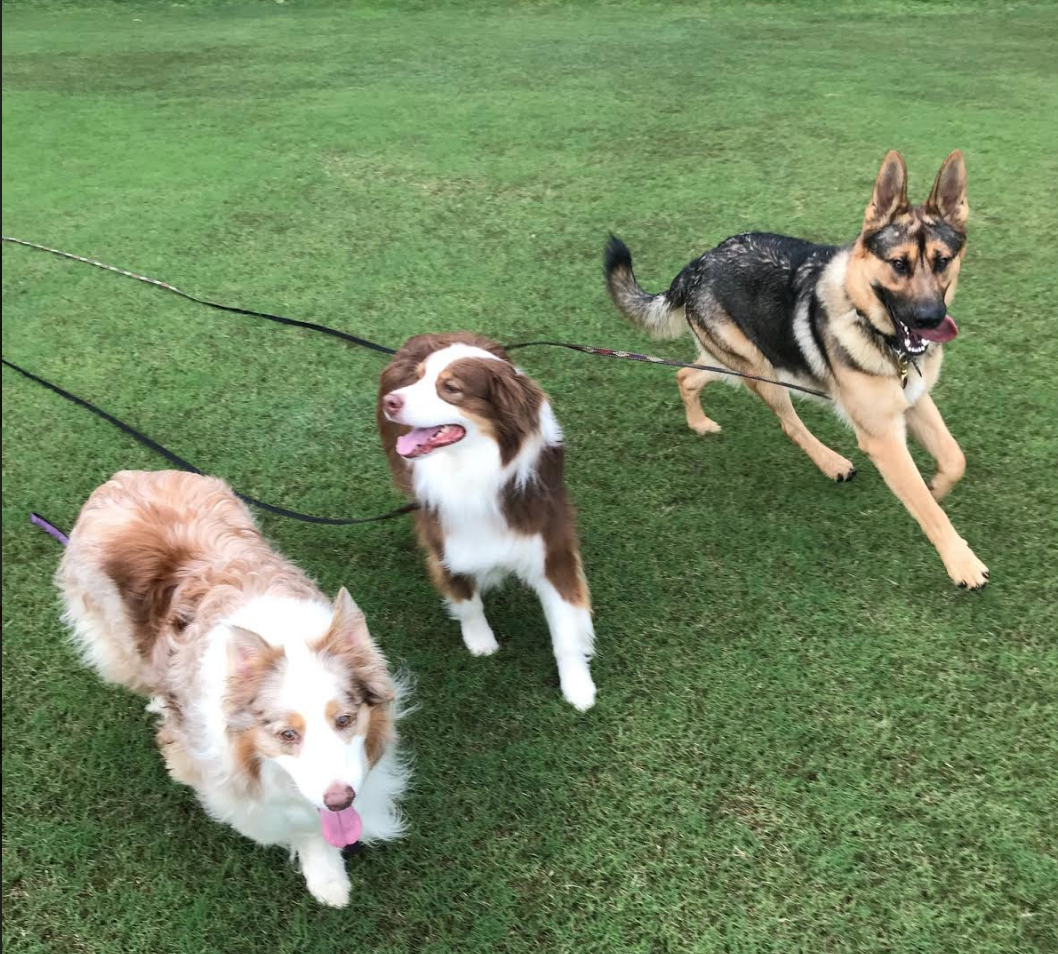
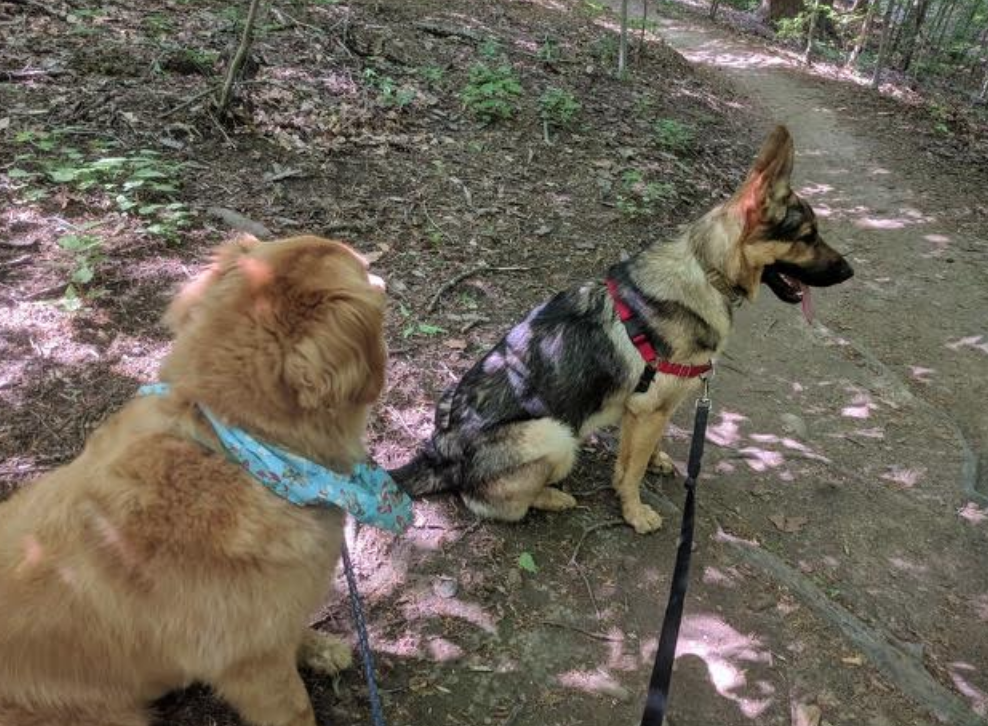
I’ve sat down about 20 times to try and write about Grizzly. Each time I start, get 3 sentences in, and then I have to stop. I have probably 6 drafts of different things I want to talk about in terms of reactivity, but it is hard to not get emotional about the topic. His reactivity is such a part of our daily life- so engrained into how we do things, that it is almost normal and becomes a bit harder to articulate… And despite Grizzly’s reactivity, he is still my perfect bear and the best boy. So writing about it, in some sort of human feelz way, feels like I am making him less perfect. Like I am tainting his image. But I have to remind myself that he’s perfect to me, his reactivity doesn’t change how much I love him– and that is really what matters. And hopefully by sharing my human feelz and a bit of his story, I can help others deal with the weight of having a reactive dog. It can be very isolating, and I’m hoping I can make someone else not feel so alone in this journey.
So this reactivity journey is going to come out in pieces. Little bits at a time.
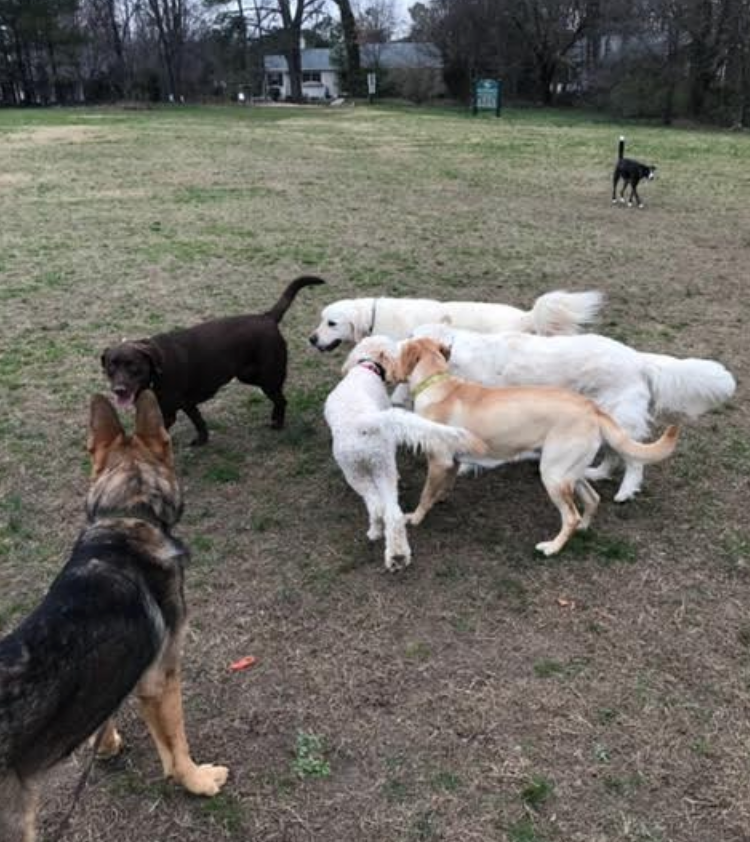

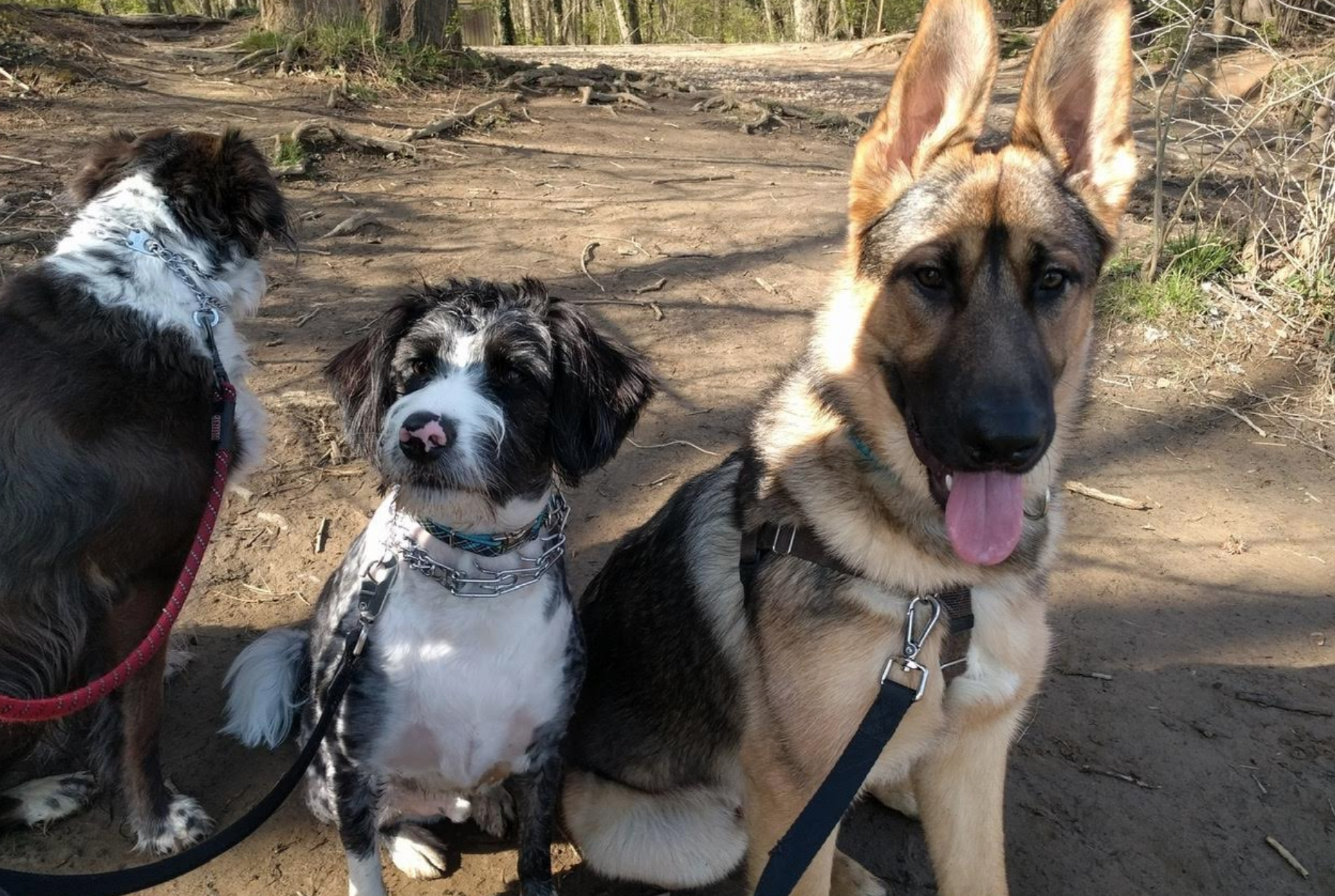
Grizzly began developing reactivity around 15 weeks old. As a puppy/teen pup, he went through phases where it would get better and then worse and then better again- often coinciding with different developmental markers and fear stages. Overtime, it has morphed and changed. Before we moved, it was pretty darn limited to leashed interactions with humans and dogs approaching us head on. He didn’t like to be “forced” to meet. He liked greeting on his own terms. At the same time, he was also very protective of me. On his first birthday, I took him to the vet with no issues. He allowed for petting and handling… he allowed the vet to talk to and approach me…to shake my hand…. to sit next to me on a bench. I remember thinking, “maybe all this work I’ve put in over the last year has really paid off.” The next day, I dropped him off to get neutered. I wanted to get it done by a vet I trusted before I moved to El Paso.
We’d worked diligently every.single.day on his reactivity- daily counter conditioning and desensitization sessions that I did before and after work, daily work with trainers and an awesome dog walker who continued working with him while I was at work. And it was hard, because sometimes it was sporadic. Sometimes he had no reaction to things that normally bothered him. But, he had a fleet of experienced dog people on his side and I had hope.
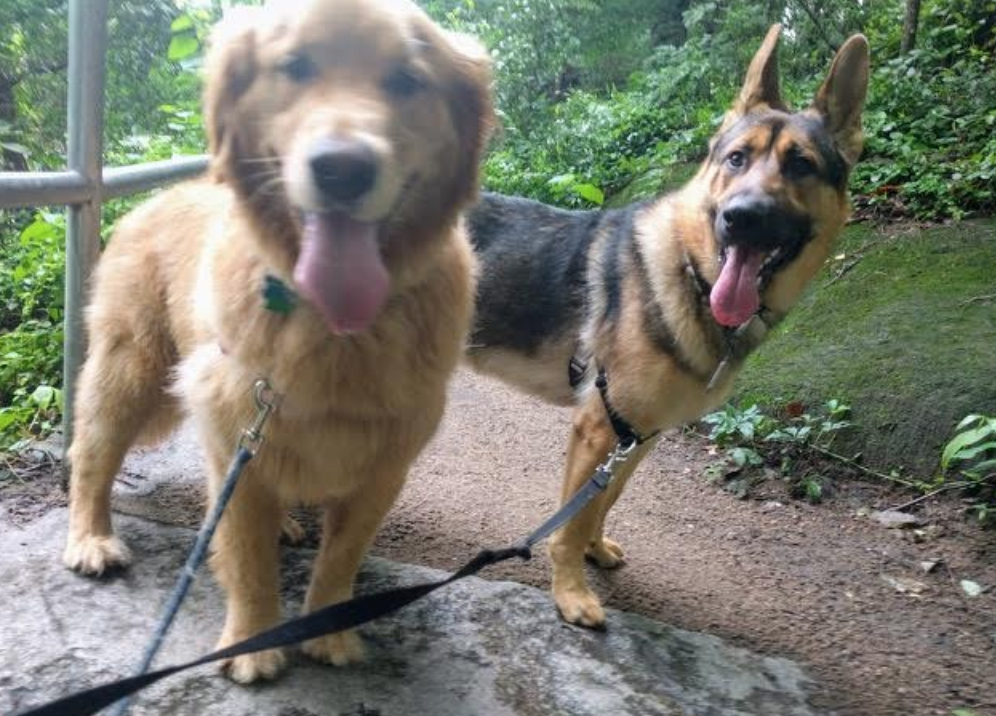
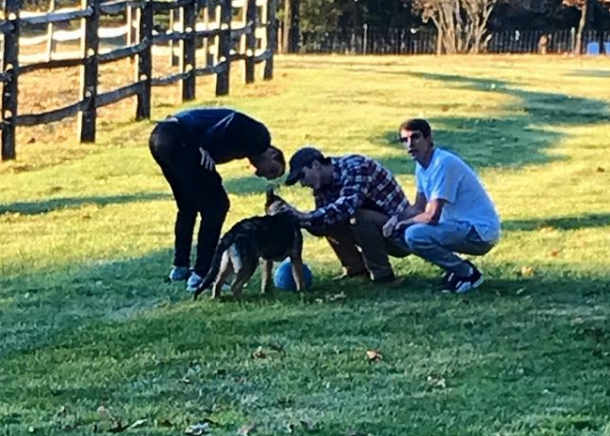
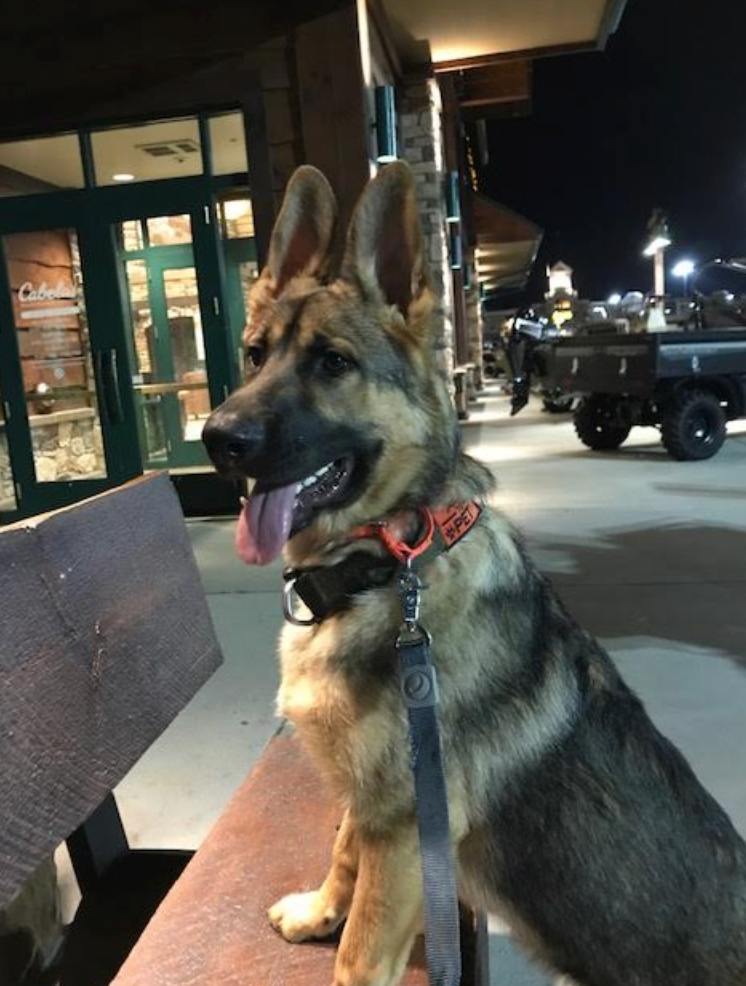
When we left Virginia in July of 2018, I could have people over. We could go to Cabella’s and Petsmart. We had gotten to the point where we were working on our counter conditioning and desensitization FEET away from a potential trigger in real life senarios- application vs. practice. It was pretty darn managable. Something I knew we’d need to continue with, something I knew I’d always have to be mindful of. But managable.
He had a dog walker he loved who took him on adventures with his dog friends (he’s always had dog friends and still does) and multiple trainers who saw his progress in weekly group classes and structured outings. He had a wonderful trainer who took him every Tuesday for “camp” where he’d play to his heart’s content and learn new things, she also was an invaluable resource to me with private lessons and teaching us about scent work. What we had going in Virginia was priceless. And it was like a light at the end of the tunnel when I’d get pictures and updates from his “team” about how great he did that day, or how much fun they had and that he had made a new friend. I loved seeing him happy and confident with someone who wasn’t me.
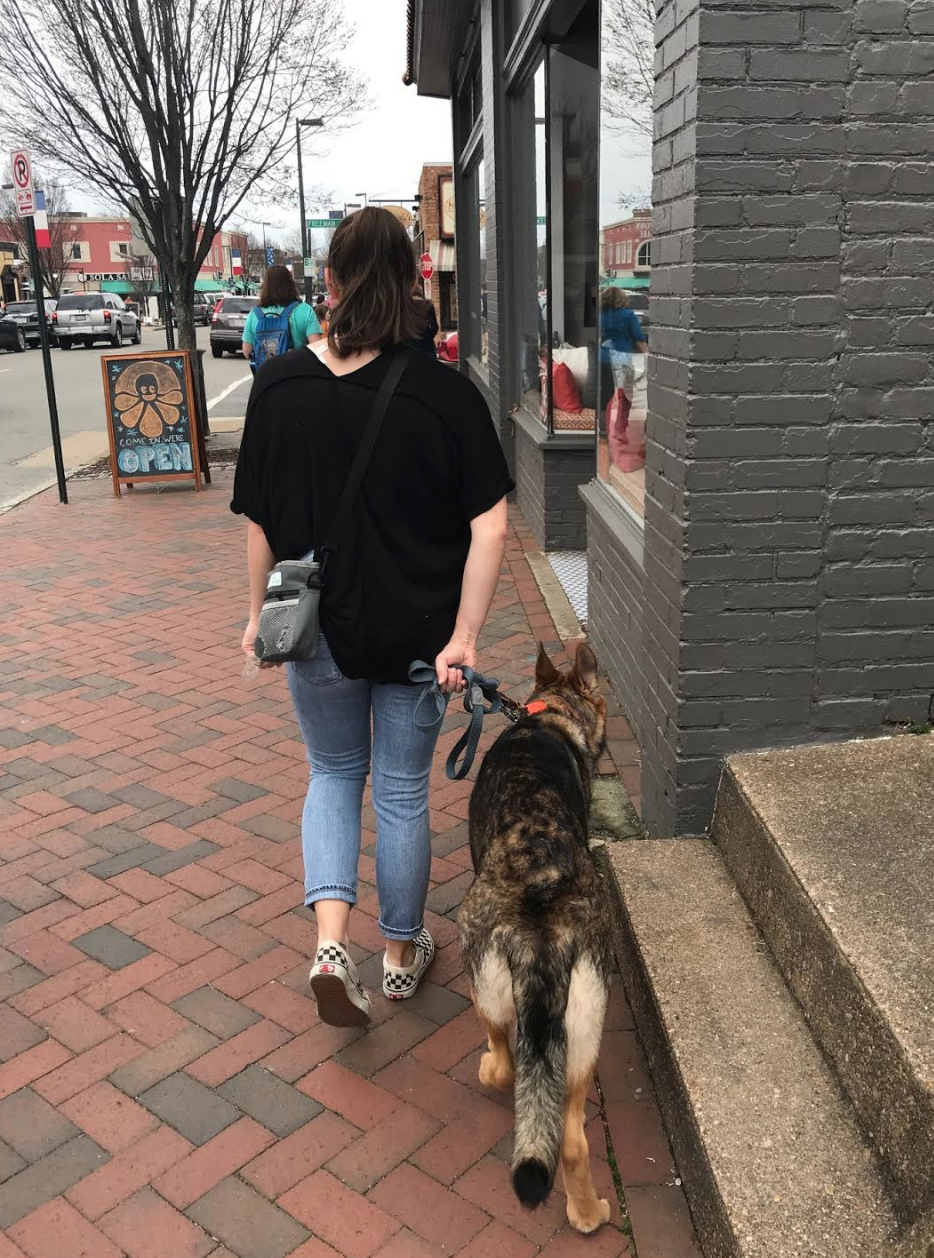
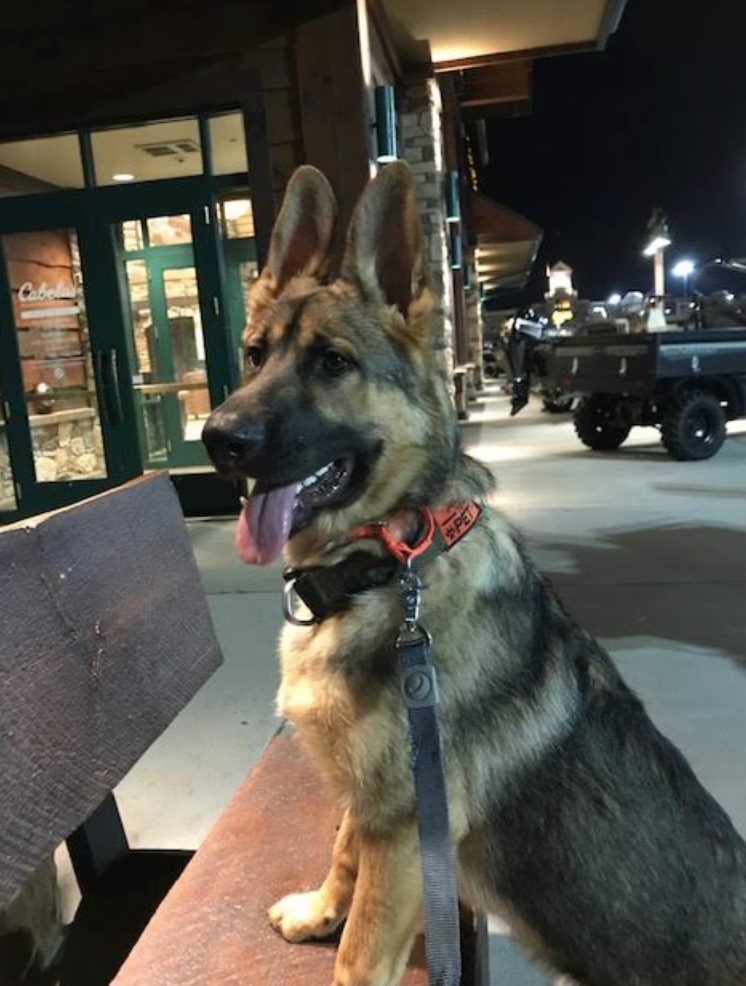
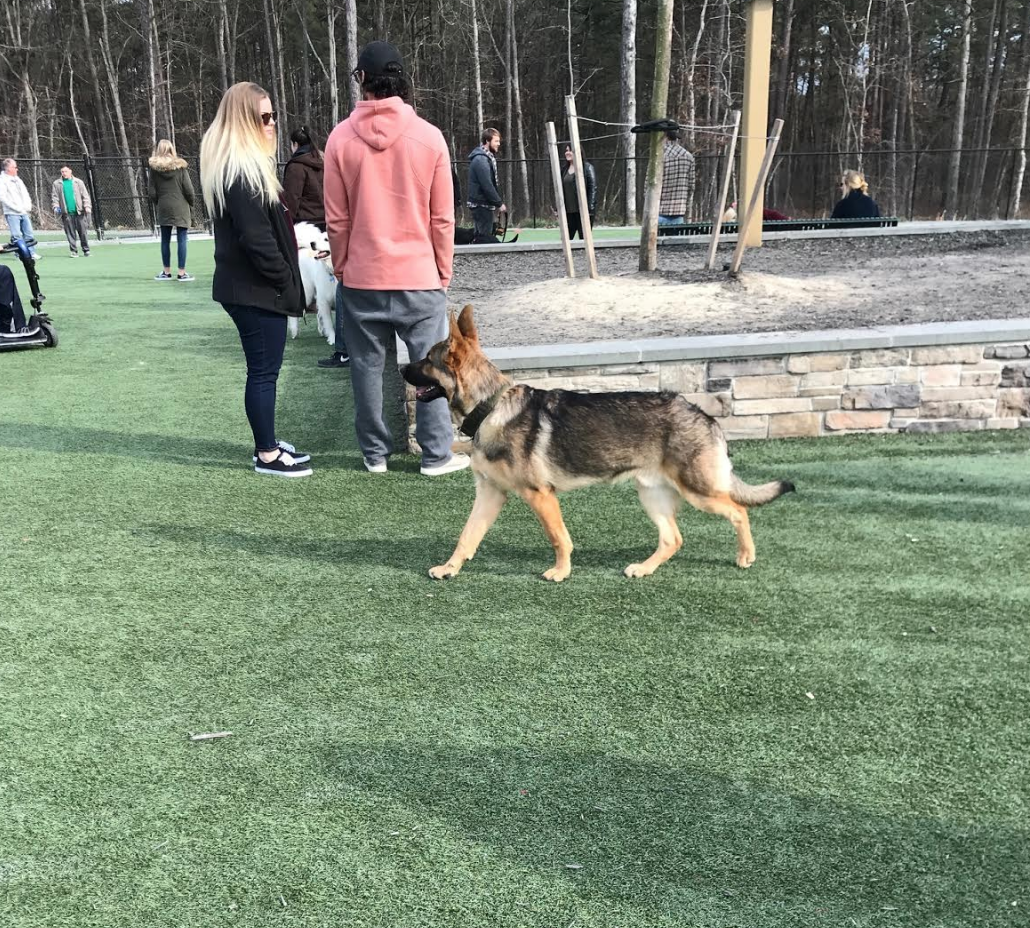
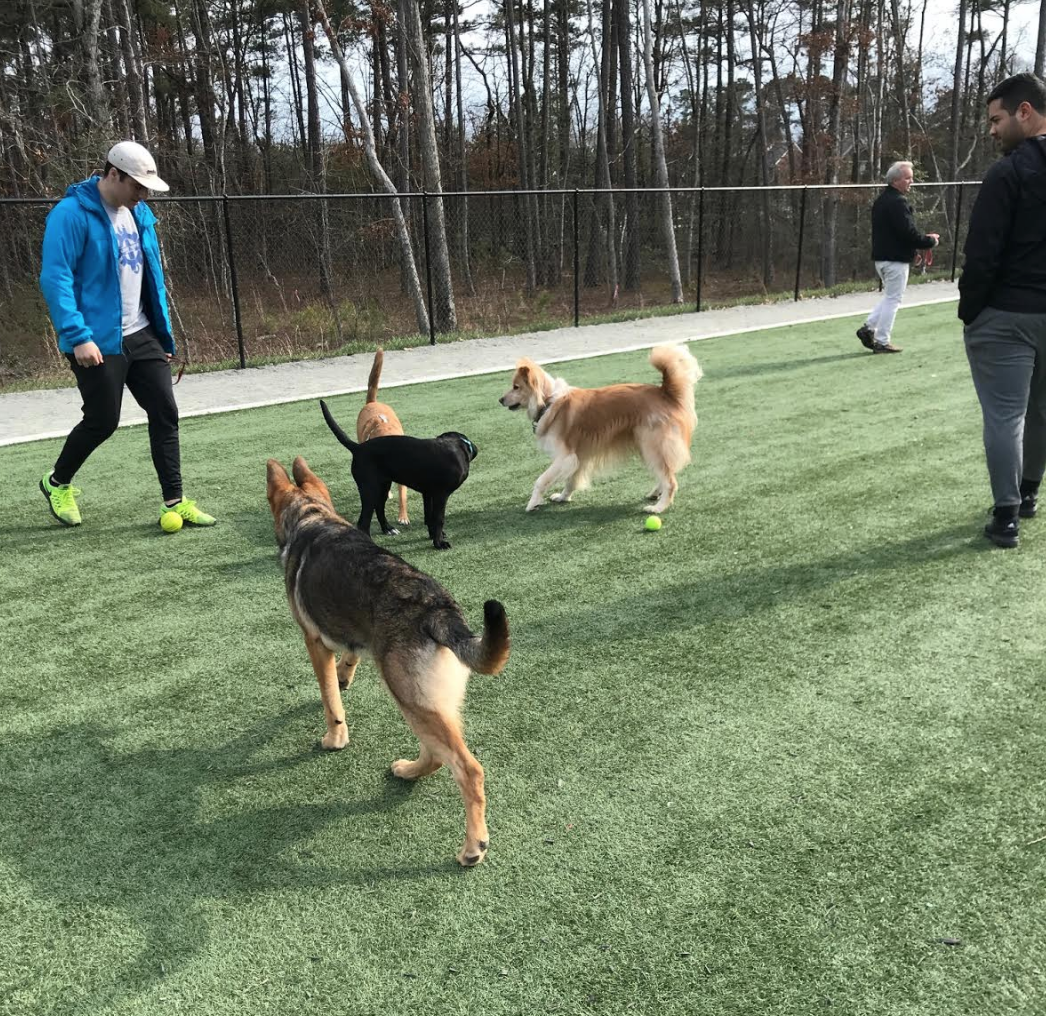

This was the hardest part about leaving Virginia. Leaving behind Grizzly’s team who had helped us get so far and so much closer to normal. I cried when I said goodbye to those people. The people who understood him and loved him anyways. The people who saw him make tremendous progress. The people who helped and supported us. The people who understood what is was like having a reactive dog.
So we left for Texas armed with the tools and knowledge I thought I needed to continue the work. To pick up right where we left off. But when we arrived, that wasn’t the case.
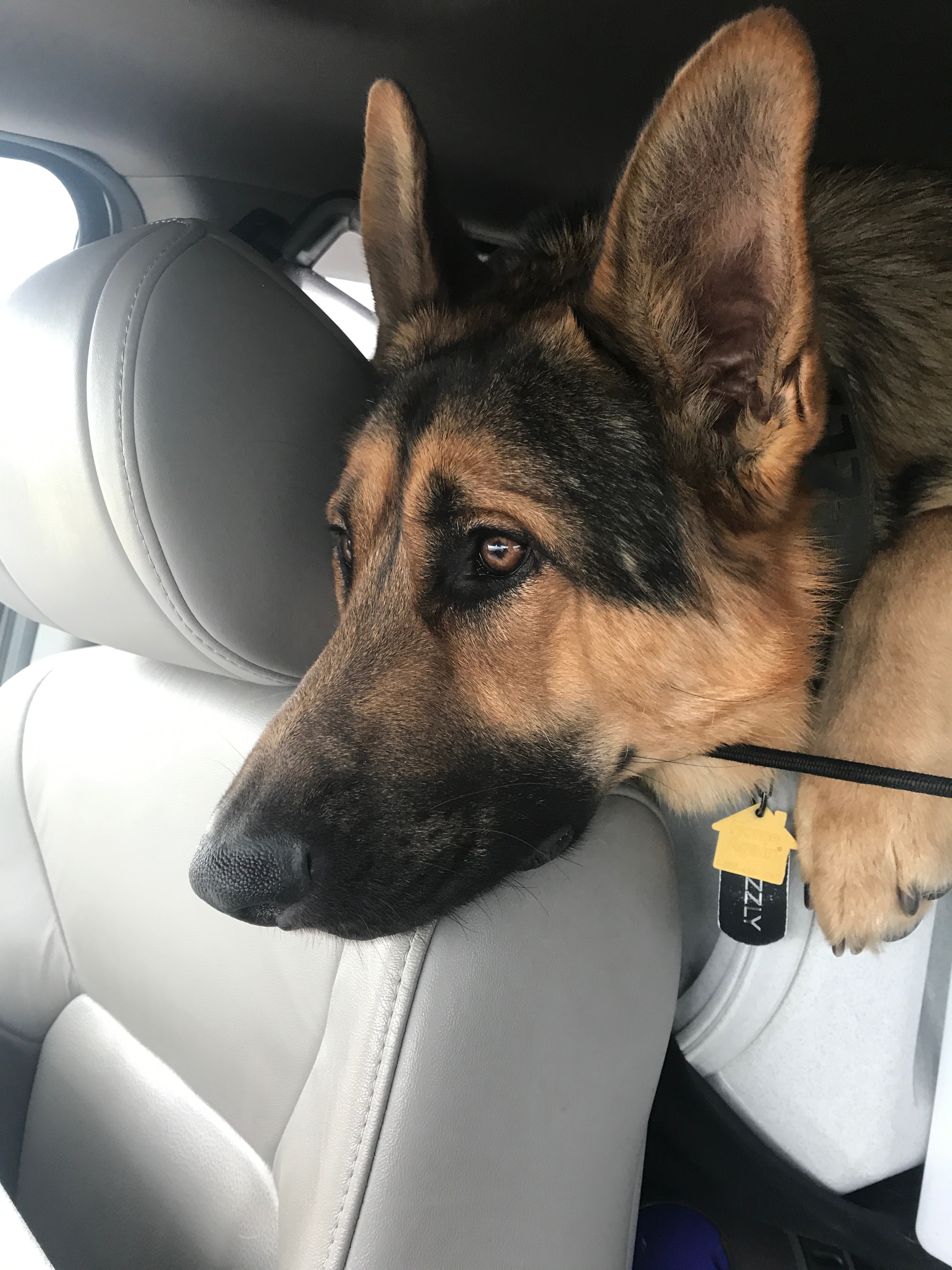
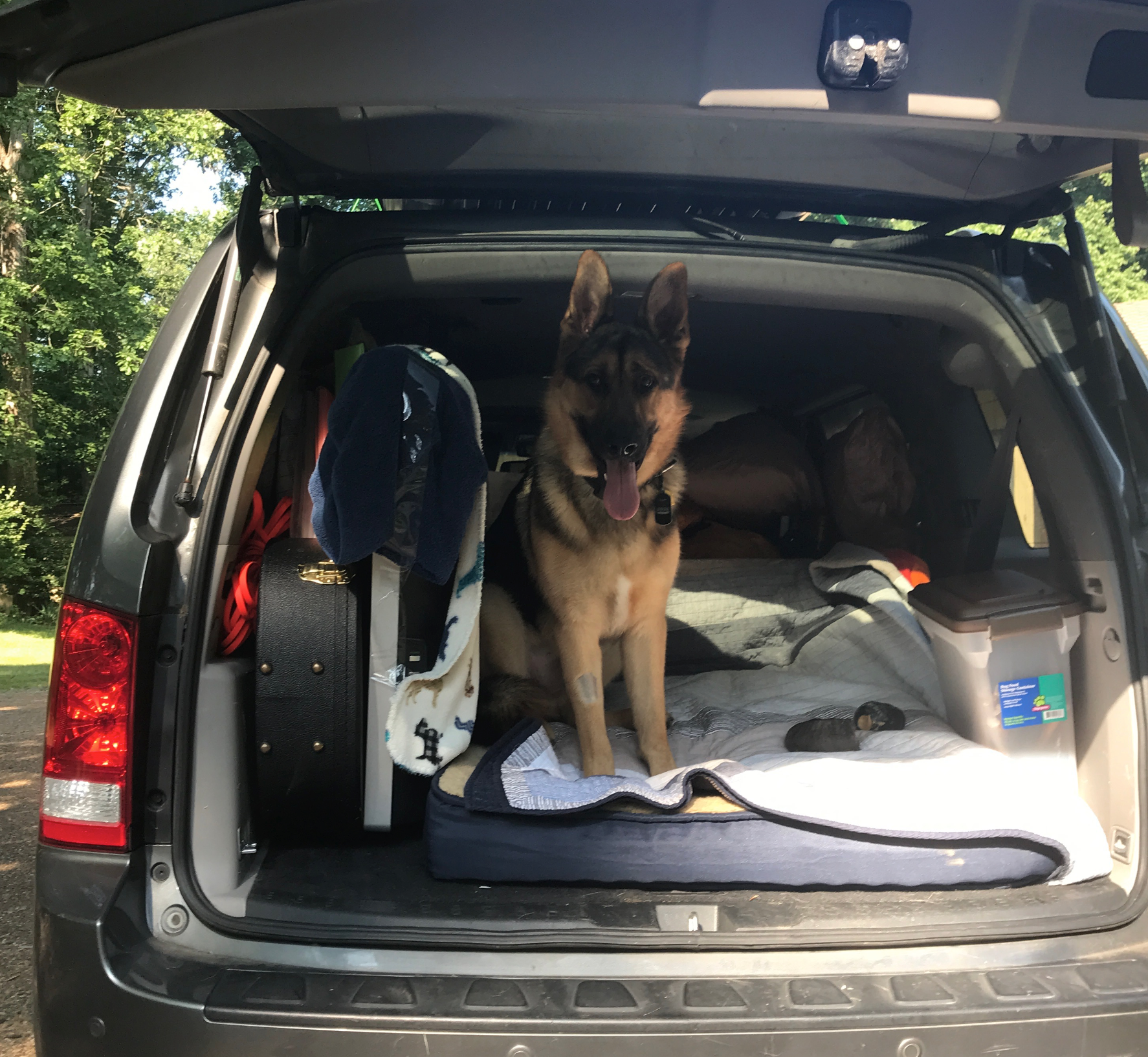
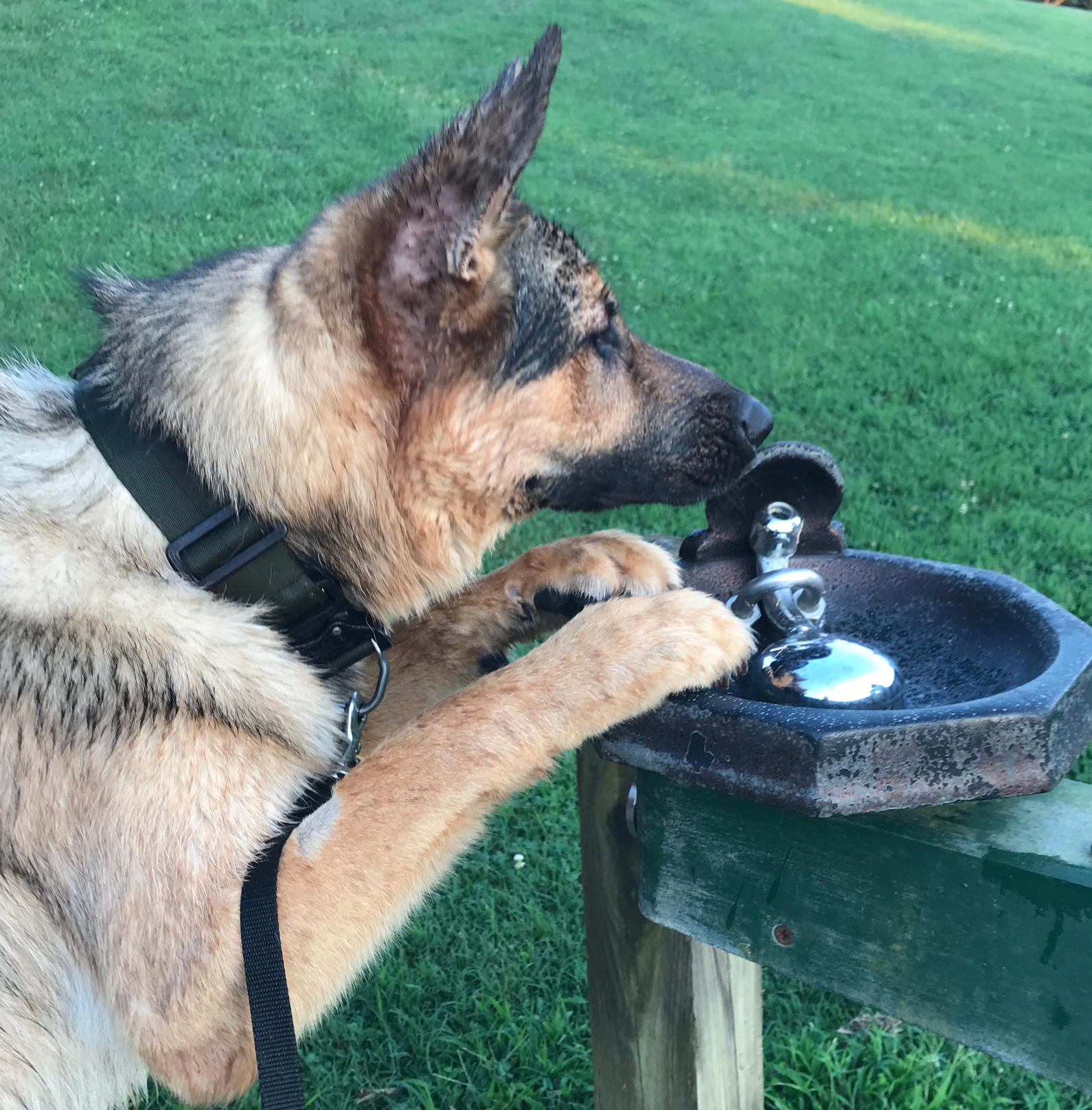
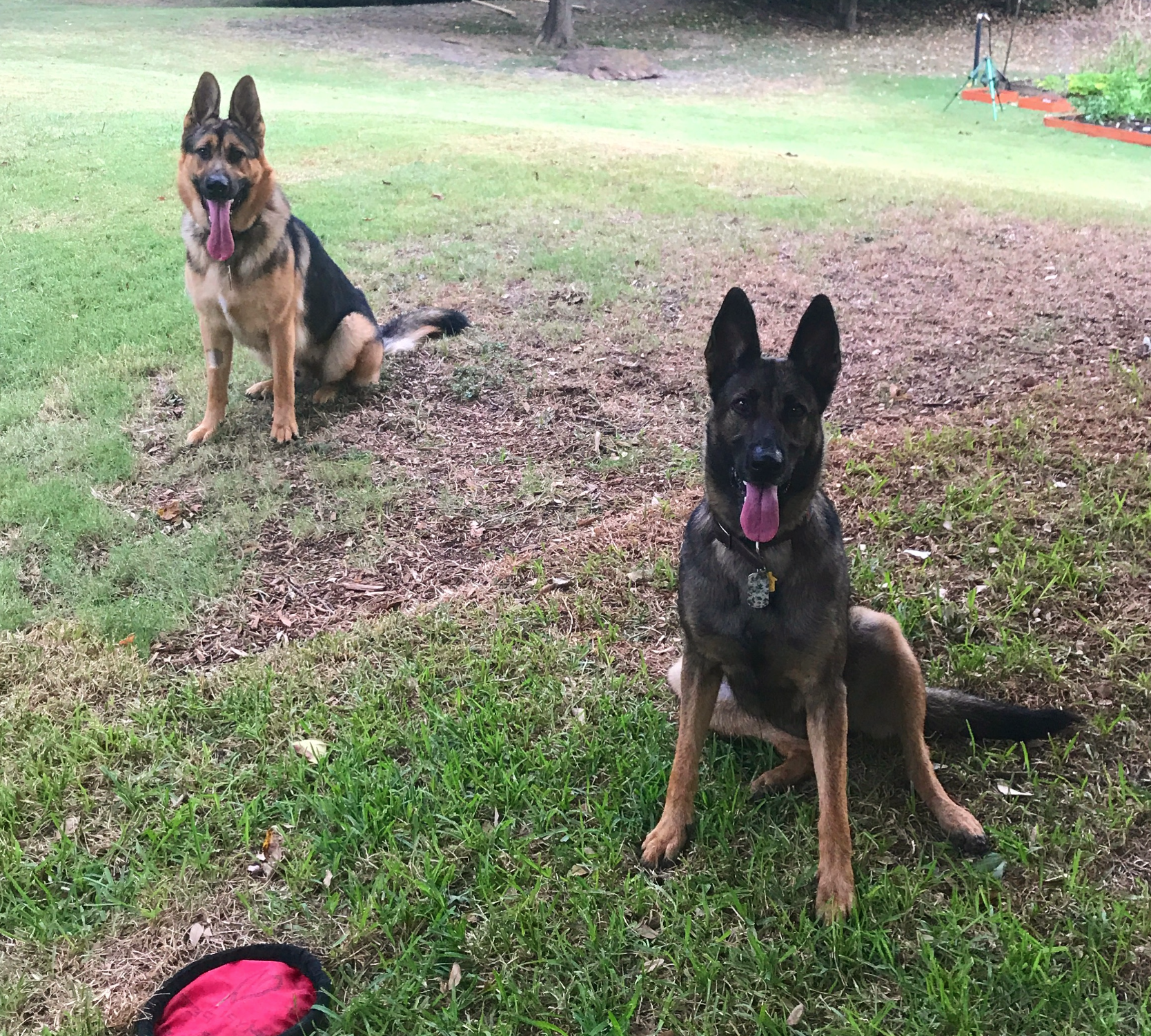
I remember calling Sanchia the third night after we moved here in tears. This wasn’t my dog. This wasn’t the dog I had back in Virginia. I knew the move would be stressful, but this new dog was nuts. It was as if everything I’d done for the last year had come undone and then some. As if we’d never done any of that work at all. I felt dispair. I felt guilt. I felt totally stupid. I wanted to go home. Shortly after this phone call, Grizzly had a seizure and we began to wonder if there was a medical component to the change of intensity of his issues, in addition to the stress of the move.
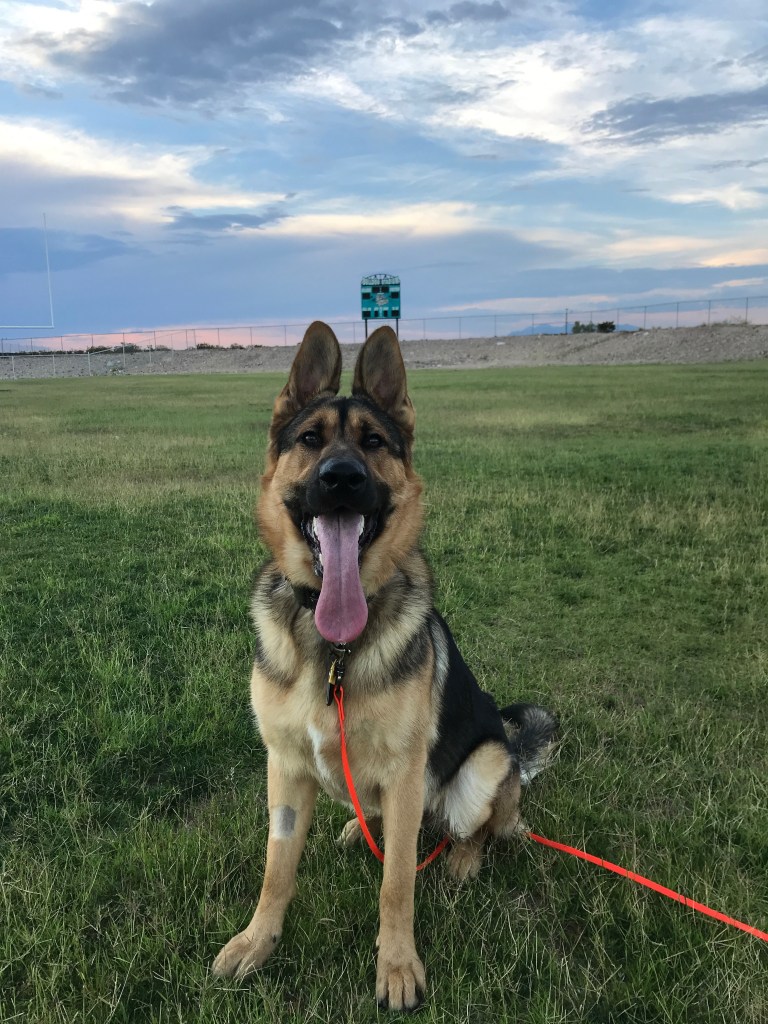
And so I started over. And its much harder to “start over” with all of this work with an adult dog when you feel like you’ve already done it. It also doesn’t help being in a new place that you don’t know well and that the environment in El Paso (how built up most of it is) makes CC/DS from beyond threshold distance hard. And so that is where I am now. We still work on it every day- but it looks a little different than it did before. I still work on my human feelz about this every day- some days are easier than others. We will always be a work in progress– And I’ve learned to celebrate all the victories, no matter how small.
To be continued…..
I will talk more about Grizzly’s specific reactivity later- he is a complicated dog and that has a lot to do with genetic temperment. He often shows no sign of reactivity when being handled by others. He loves playing with other dogs when introduced properly. All of this makes dealing with his reactivity more difficult.
 All Ears
I have a reactive dog. I also work with kids with autism , it is kind of the same dance. Love is without conditions, and that is the lesson ❤️
LikeLiked by 1 person
I know exactly how you feel. I don’t know if you remember my Plott Hound/Pit mix, Maple. She became reactive around 9 months old. Up until that point she’d been a service dog candidate. Then she was spayed and vaccinated in one visit (not my choice, she was with a rescue that had this done) and came home a completely different dog. Maple loved people but was convinced every animal needed to be killed. As violently as possible. I had a great team of trainers, behaviorists, and vets that we worked with and for a long time we were able to manage her environment and keep everyone safe. Most of the time. We had a few really terrible incidents. Nobody died, thank the stars. She spent her last year in a muzzle 100% of the time when other animals were around. When we decided to let her go it was when she tore her CCL. X-rays revealed bone spurs on her vertebrae, hips, and knees. Her body was riddled with them and she must have been in excruciating pain. We could fix her knee but we couldn’t take away the pain of the bone spurs so we decided that the kindest thing to do was let her go. She was nine years old. 😦 Two years later I’m still on edge around multiple dogs because I’m so used to having to watch Maple like a hawk and stop fights before they can happen. Living with a reactive dog is more than hard. I wish that more people understood this. Maple taught me so much. Barney was reactive to people but I found him so much easier to manage because we had a better relationship than Maple and I did.
LikeLiked by 1 person
Kelsey, You had me in tears. I’ve followed your family human and K-9 for some time.
But this is Raw, Real feelings from you that puts much more perspective on your journey with Grizzly.
I hope anyone out there who has a reactive dog will come away with not only lessons, experience, but hope. Hope and the reality of living with and being responsible with a reactive dog.
Thank you for opening your heart . Thank you for living Grizz through it all.
LikeLiked by 1 person
Kelsey, I have a reactive dog! Yes, my Tasha! Her mother was a shepherd/? mix and we have no idea who her father was. So that means I’ve never known what exact breed(s) she is. I never thought of doing a DNA test and now that she just turned 7, wish I had. It might explain some of her behavior. She’s very shy and hesitant around people and is especially fearful around men. She thinks all dogs should be challenged and dominated over. Makes no difference their size, sex or breed. But even with all that, as soon as I put on her service dog vest, she becomes a totally different dog. She is very well behaved when we are out, doesn’t try to challenge any person or dog and is almost docile. I have yet to figure her out even after 7 years but I love her no matter her temperment.
LikeLike